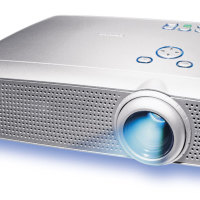
The debate between which is the best projector technology LCD versus DLP has been around since the birth of projectors. Now with the added LED technology the debate is even hotter.
Probably one the most asked questions by customers looking to buy projectors is which technology is best?. However, there is no easy answer to this and the answer is usually tailored to the projector user’s individual needs.
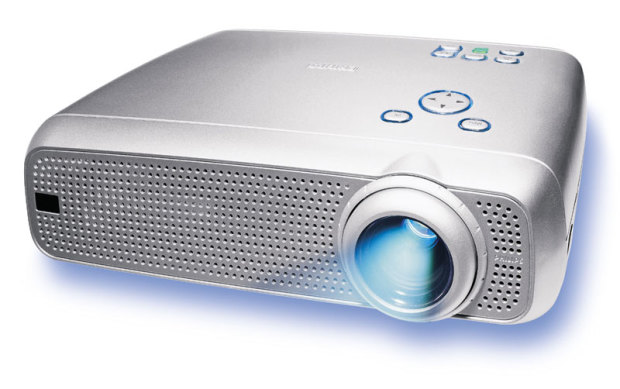
So instead of concentrating on which projector is best, I will outline the technologies used in each and the advantages and disadvantages to each model.
The terms LCD and DCP actually pertain to two different types of (MIT) Microdisplay Imaging Technology.
LCD
Just as in our TV’s, LCD stands for Liquid Crystal Display. LCD projectors contain three LCD glass panels, Red, Blue and Green. Each of these panels contains thousands or millions of liquid crystals, which are set to either of three positions, open, closed or partial. These work in the same principal as a blind, allowing certain amount of light to passed through them to display the image on the screen. These liquid crystals are what are commonly known as pixels.
Advantages Of the LCD
- LCD projectors offer more “light efficiency” over the DLP counterpart. If you compared the same wattage of lamp in each machine, the LCD would appear brighter
- You can get richer brighter images even in a room with lots of light. Even if you compared this with a slightly higher of Lumen in a DLP machine, the LCD would appear brighter
- They throw out less heat and will draw less power in comparison
- No “rainbow effect” which I will discuss shortly
Disadvantages Of the LCD
- The images can often appear more pixelated, especially in video, however advances in technology has made this barely noticeable.
- The machines can often be more bulky even when you compare lumens.
- If a number of pixels become dead this can impact on picture quality. The panels and parts are also very expensive to replace.
- You can often get a “screen door effect” or “chicken wire” on video. This is simply put like watching the image through a screen door.
DLP
DLP stands for Digital Light Processing. Like the LCD models the DLP, require a lamp as a light source but instead of light passing through panels, light is bounced off tiny little mirrors house in a single chip called the Digital Micro Mirror Device (DMD). These mirrors help modulate the light and a colour spinning wheel and timing help produce the correct amount of colour to represent the image needing to be shown. There are three chip models but for the purpose of this article I am referencing the DLP technology in general.
Advantages of DLP
- More portable and less expensive to repair as there are less components required
- Produces smoother images on video as the pixels are much more closers together
- Much higher contrast available than the LCD counterpart
- Much more crisper image like that of HDTV or DVD
Disadvantages of DLP
- The “rainbow effect” This appears as flashes of red, green and blue across an image. This is most prevalent on high contrast bright images or where white objects appear on a darker background. This effect is noticed when a viewer turns away quickly and looks back on the screen or on scrolling objects such as title’s or credits on a film. The level of “rainbow effect” will depend on the viewer, with some experiencing none at all.
- Some colour saturation
- Light leakage or “halo effect” This is commonly noticed in home entertainment systems. A grey band may appear on the outside of the image. This can be usually fixed by applying a dark border a few inches around the screen.
Conclusion
Whilst I have mention only DLP and LCD for the purposes of this article, there is also the emergence of LED technology. These are often featured in Pico projectors. No doubt the great “Projector War” will continue. However, with each individual favouring their own technology, and manufacturers constantly working on the disadvantages, no apparent winner is yet to be announced.